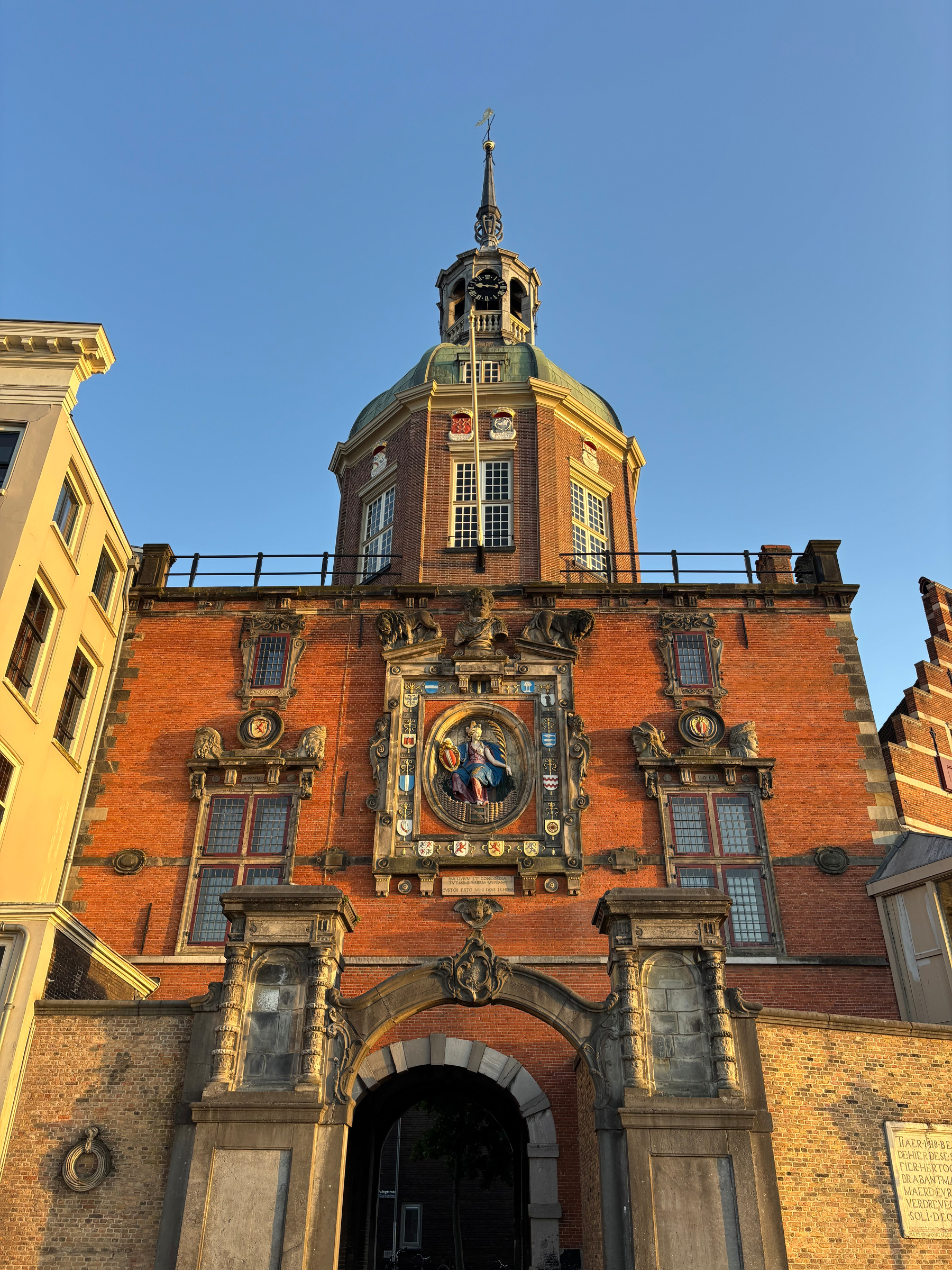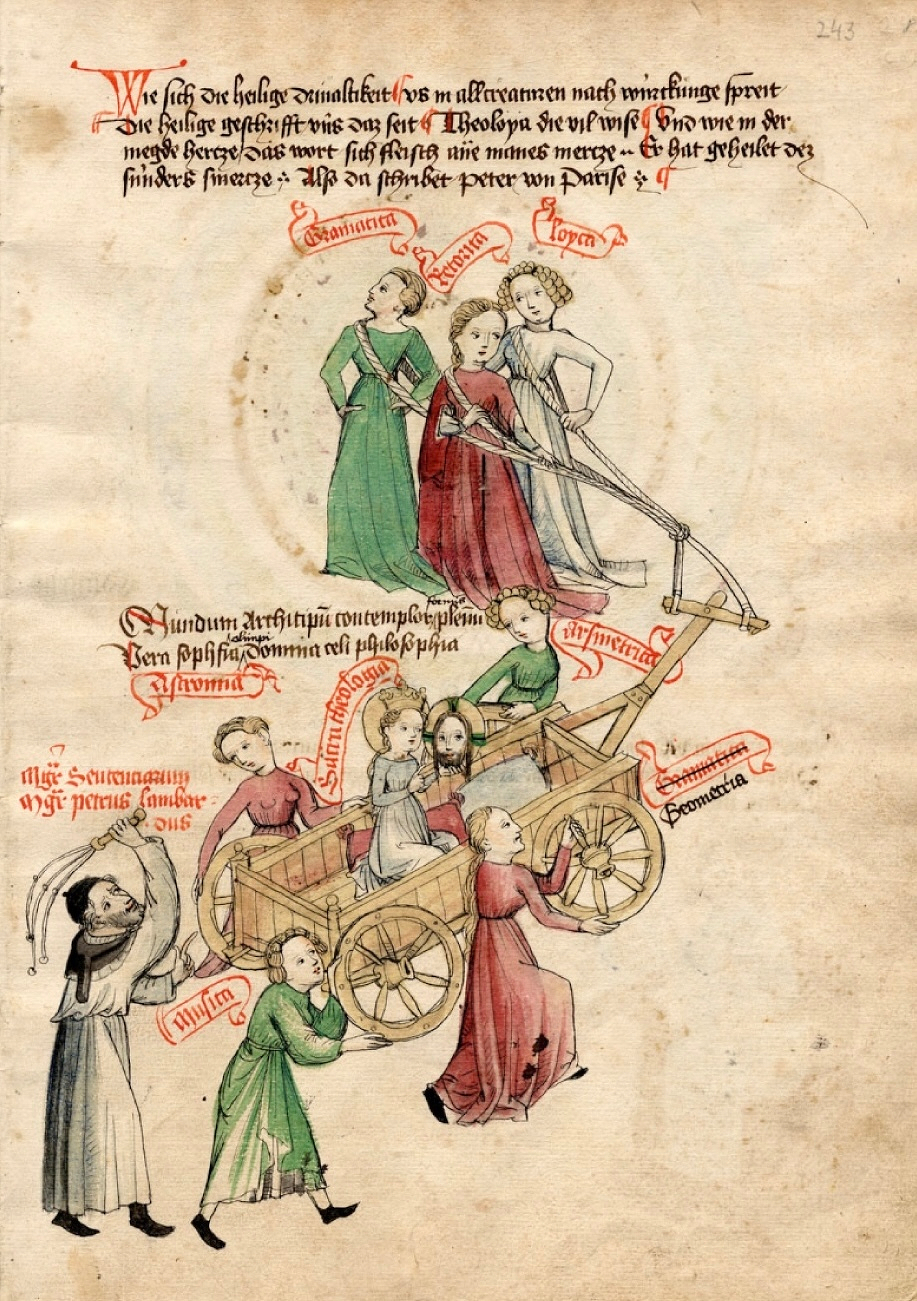
I came across what someone described as “the most iconic image in the history of college marketing.” What a curriculum.
Darek Latta
Finished reading: The Corner that Held Them by Sylvia Townsend Warner 📚
“When a feeble man, sprung from the dust, speaks in the name of God, we give the best proof of our piety and obedience, by listening with docility to his servant, though not in any respect our superior.”
– John Calvin
Michael Silverblatt’s ten rules for reading.
Great review by Brad East of The Vanishing Church:
The Church does not exist to grease the wheels of democracy. Paul did not found churches in Corinth and Ephesus to build up the civic health of the Roman Empire. The faithfulness of the Coptic Church is not measured by Egypt’s ranking in the social progress index. The Church is the body of Christ, called forth by the gospel into fellowship with the living God and sent by his Spirit to witness in the world to the good news of salvation. If, in the fulfillment of this mission, the measurable effects are hailed by social and political scientists, that is a happy by-product. If they are not, believers shouldn’t lose any sleep. With apologies to E. M. Forster: If I had to choose between betraying my democracy and betraying my church, I hope I should have the guts to betray my democracy.
My latest Sabbath read. A cracking book!
A satisfying colour palette
In love with “Lines on a Young Lady’s Photograph Album” by Philip Larkin
Illuminated “L” from 1368 (via Erin Zoutendam)
“We do not merely study the past: we inherit it, and inheritance brings with it not only the rights of ownership, but the duties of trusteeship. Things fought for and died for should not be idly squandered. For they are the property of others, who are not yet born.”
– Roger Scruton
Micah Mattix is starting a new literary quarterly, Portico.
Miranda Hine
Finished reading: Against the Machine by Paul Kingsnorth 📚
According to legend, Albertus Magnus had spent thirty years devising an oracular head, a mechanical device that could answer questions posed to it. Thomas Aquinas smashed it to pieces. Different versions of the story say that this was out of annoyance, or of fright; I prefer to think that St. Thomas had prophetic insight into the evils such devices could and would cause.
An excellent piece by Trevin Wax on why translation choices matter and picking a translation of Augustine’s Confessions. I love his yearly practice of re-reading Confessions.
Several years ago, I adopted a new practice: reading Confessions at the beginning of each year, each time in a different translation. Since then, I’ve revisited Ruden but also read versions by Peter Constantine, Henry Chadwick, Frank Sheed, Maria Boulding, Anthony Esolen, and Thomas Williams. This annual read-through has become a spiritual reorientation for me, a way of tuning my heart at the year’s outset.
Lviv, Ukraine on the first day of spring (via Christopher Miller)


A delightful post about an ever-changing logo.
To keep my thinking fresh and my reading wide, I’m aiming to have four kinds of books on the “reading wheel” at any given time. Here’s the current line-up.
Biblical/theological: Seth Postell, The Art of Narrative Analogy
Ministerial: Abraham Kuyper, Our Worship
Recreational: Susanna Clarke, Jonathan Strange & Mr Norrell
Cultural: Christine Rosen, The Extinction of Experience
Finished reading: The Lion, the Witch and the Wardrobe by C.S. Lewis 📚 Had a blast reading this aloud to our son.
Holiday reading: non-things and all things